Dry Skin on Dogs: Causes, Safe Care, and When to See a Vet
Dry, flaky, or scaly skin is a common concern in dogs, but it is a symptom rather than a diagnosis. A small amount of dander may be occasional, while persistent flakes, itching, redness, odor, hair loss, or skin discomfort can indicate that something else needs attention.
Possible contributors include dry indoor air, frequent bathing, unsuitable grooming products, fleas or mites, allergies, bacterial or yeast infection, and some underlying health conditions. A complete and balanced diet supports normal skin and coat health, but visible flakes alone do not prove that a dog has a vitamin or fatty-acid deficiency.
For pet owners, the priority is to observe the pattern of signs and avoid applying untested products. For brands developing skin-and-coat supplements, the same principle matters: a nutritional product should be positioned as support for normal skin and coat health, not as a diagnosis or treatment for allergy, infection, or parasite-related disease.

Quick Answer
Dry, flaky skin can be mild, but it can also be linked to allergies, parasites, infection, or another health issue. Keep grooming gentle, avoid untested home treatments, and contact a veterinarian if your dog is itchy, red, losing hair, uncomfortable, or not improving.
Common Signs to Watch For
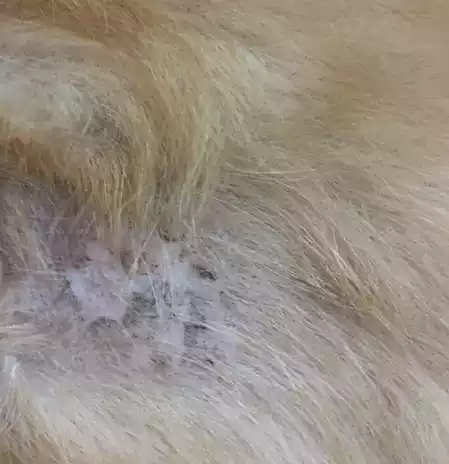
Dry skin can appear as white flakes or visible dandruff in the coat. It may also occur with:
- scratching, licking, chewing, or rubbing;
- redness, crusts, scabs, bumps, or greasy skin;
- patchy hair loss, coat dullness, or a change in skin odor;
- recurring ear irritation;
- changes affecting the paws, face, belly, skin folds, or base of the tail.
These signs overlap with allergies, external parasites, bacterial or yeast infections, and other dermatologic conditions. Scaling with odor, pustules, crusting, marked itchiness, or hair loss should be assessed by a veterinarian rather than treated as a simple cosmetic concern.
Safe At-Home Care for Mild Dry Skin
If your dog is otherwise comfortable and has no broken skin, intense itching, hair loss, odor, redness, or signs of infection, keep care simple while you monitor the change or arrange veterinary advice.
- Provide fresh drinking water and a clean, comfortable indoor environment.
- Use a dog-specific grooming product only when bathing is needed. Do not use human body wash, human shampoo, medicated creams, or leftover treatments unless a veterinarian has approved the exact product.
- Brush gently to remove loose hair and make it easier to notice changes in the skin. Stop if grooming appears painful.
- Maintain veterinarian-recommended parasite prevention.
- Record when the problem started, where it occurs, whether it is seasonal, and any recent changes to food, treats, grooming products, cleaning products, or parasite prevention.
Do not apply aloe from a plant, apple cider vinegar, essential oils, herbal rinses, coconut oil, or antibacterial ointments as a default skin treatment. Dogs may lick topical products, damaged skin can react unpredictably, and home treatment can delay identification of an allergy, infection, or parasite problem.

Nutrition, Supplements, and Product Selection
A complete and balanced diet, gentle grooming, appropriate bathing, and parasite prevention are the starting point for normal skin and coat care. Do not add multiple vitamins, oils, or supplements simply because a dog has flakes; the full diet, health history, and possible cause should be considered first.
Omega-3 products may be included in a veterinarian-led nutrition plan for some dogs, including dogs with allergic skin disease. They are not a universal cure for dry skin and do not replace veterinary diagnosis.
When comparing a skin-and-coat supplement, check the complete formula, active amount per serving, intended species, serving directions, batch identification, and manufacturer contact details. A product should also state clearly what it is designed to support and what it is not intended to diagnose, treat, or replace.
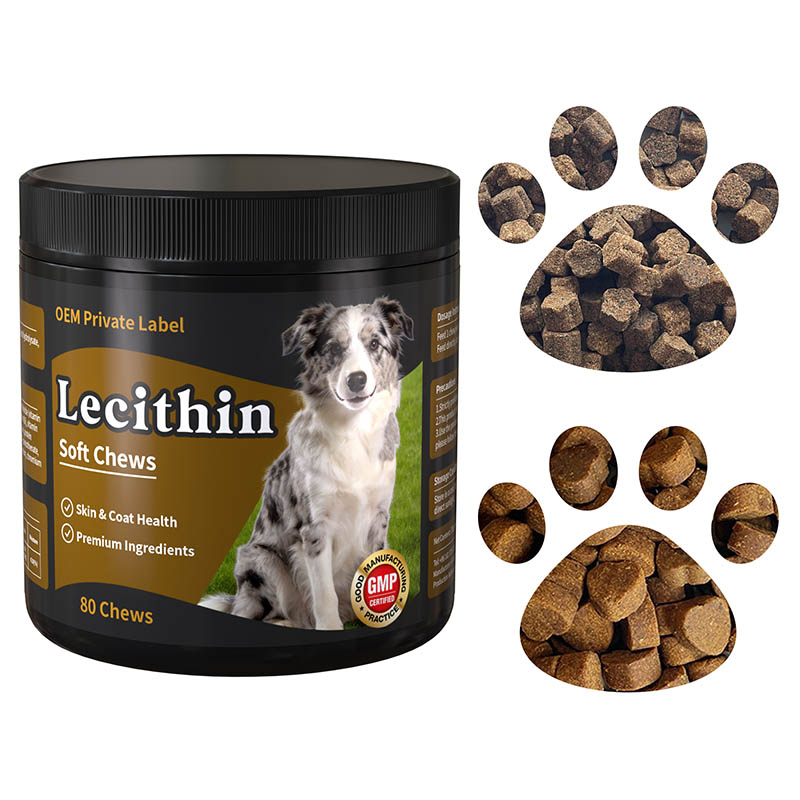
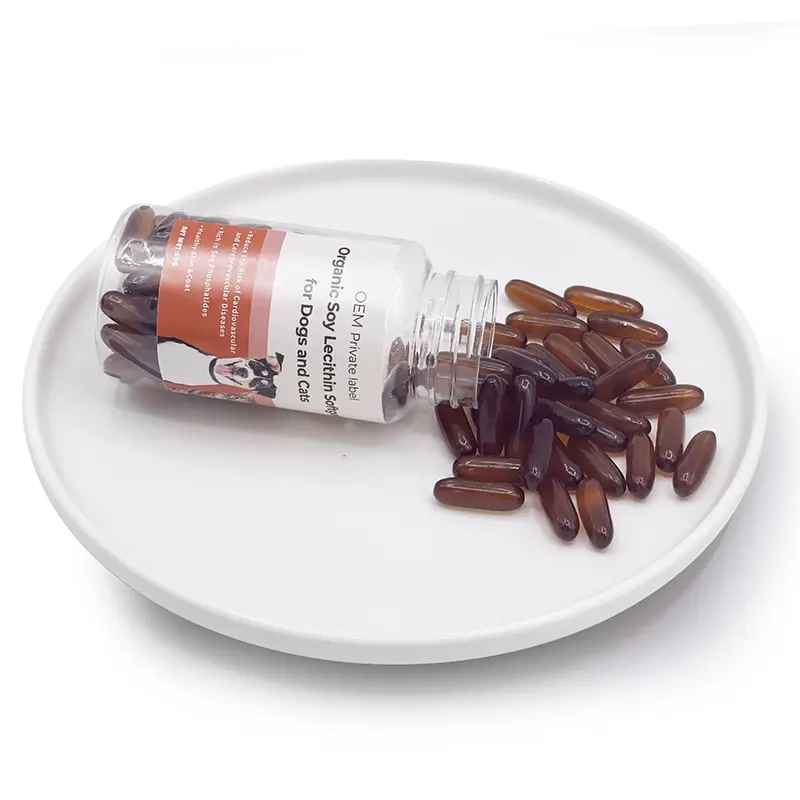
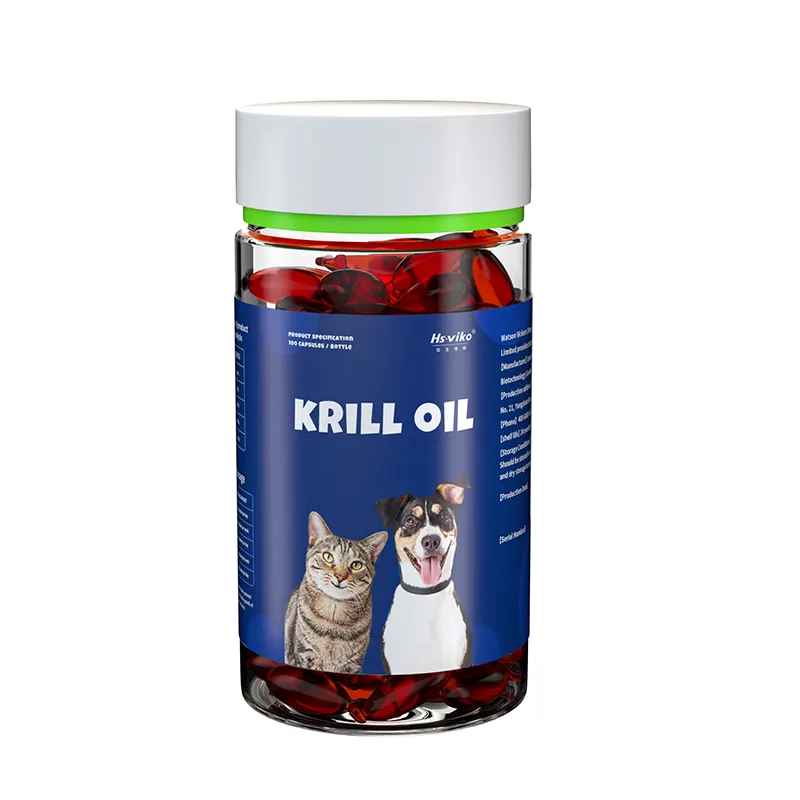
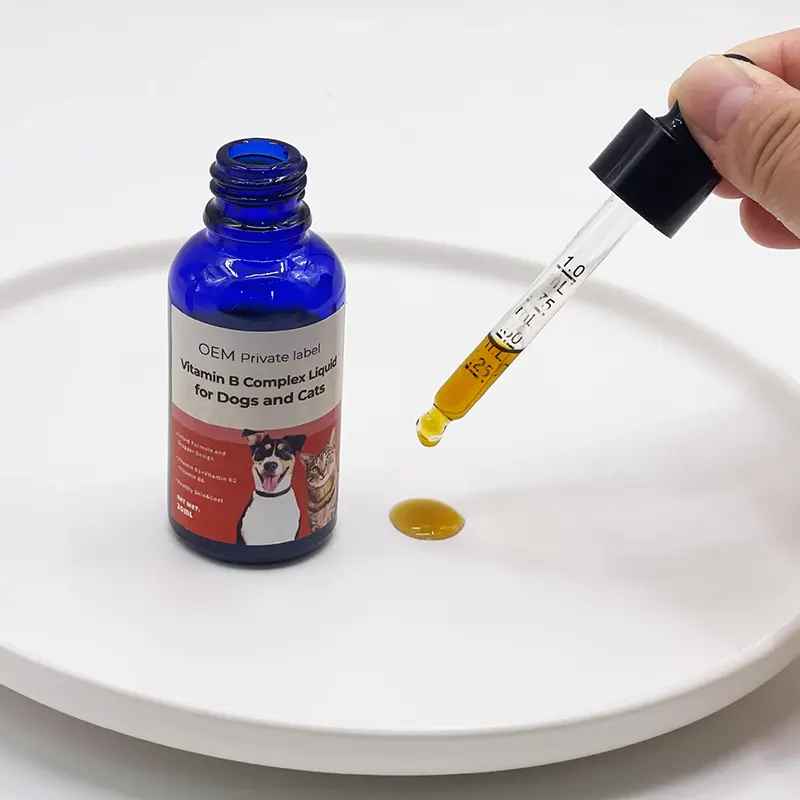
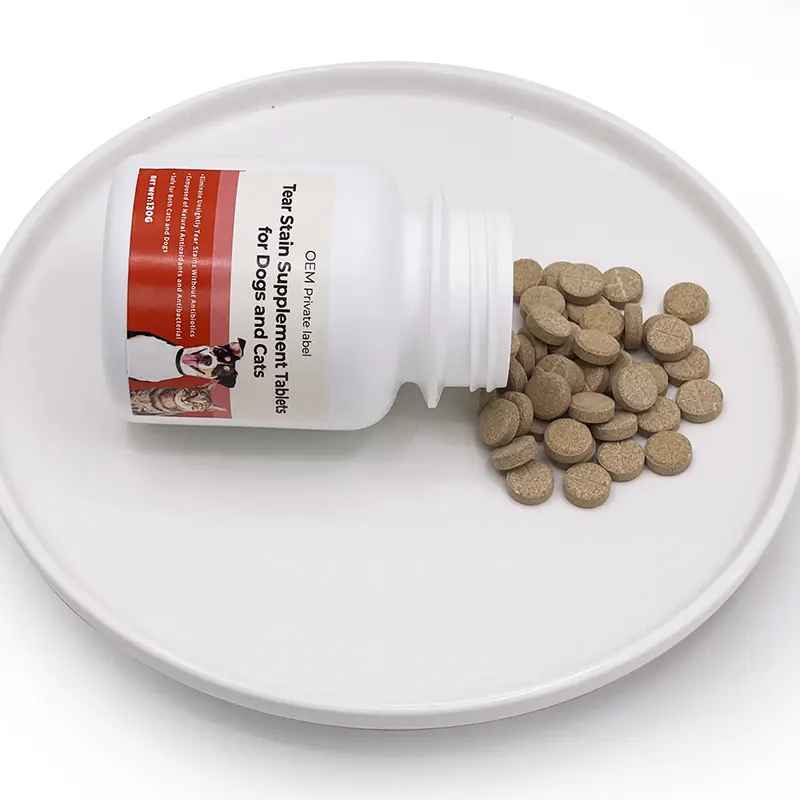
HsViko provides dog skin and coat supplement formats and omega-3 fish oil supplement. These are relevant where a buyer is evaluating a nutrition-support product for normal skin and coat care; they are not a substitute for veterinary treatment of a painful, infected, or persistently itchy skin condition.
When to Contact a Veterinarian
Arrange a veterinary appointment if dry or flaky skin persists, returns frequently, worsens, or affects your dog’s comfort.
Contact a veterinarian promptly if you notice:
- intense or constant scratching, licking, biting, or rubbing;
- red, swollen, painful, bleeding, crusted, or oozing skin;
- a strong odor, pustules, or rapidly spreading skin changes;
- patchy hair loss or a sudden coat change;
- ear irritation, repeated ear problems, vomiting, diarrhoea, or appetite changes alongside skin signs;
- suspected fleas, mites, ringworm, or another contagious skin condition.
Veterinarians may use a skin examination, cytology, skin scraping, fungal testing, or other tests to identify the cause. Treating the underlying cause is more effective than focusing on flakes alone.
For Pet Brands: What to Define Before Developing a Skin-and-Coat Product
A skin-and-coat product should be built around a clear use case: daily nutritional support for normal skin and coat, a targeted omega-3 format, or a broader multinutrient supplement. Do not make the product brief depend on vague claims such as “solves dry skin.”
Before requesting a quotation or sample, prepare:
- target species, life stage, and intended user market;
- dosage form, such as liquid oil, soft chew, tablet, capsule, powder, or emulsified format;
- intended functional ingredients and the active amount per daily serving;
- allergen, flavor, carrier-oil, and packaging requirements;
- target label claims and the markets where the product will be sold;
- documentation required for your review, such as ingredient specification, batch information, and pending confirmation: available quality or testing documents.
HsViko’s private-label pet supplement service is relevant for brands that need to discuss format, formula direction, and packaging requirements. Product claims must remain consistent with the final formula, market requirements, and supporting documentation.
FAQs
Can I use human shampoo or body wash on my dog?
No. Human products are not formulated for canine skin and may increase irritation. Use a dog-specific product when bathing is needed, and ask a veterinarian before using a medicated shampoo.
Can coconut oil, aloe vera, or apple cider vinegar treat dry skin in dogs?
Do not treat these as default remedies. Dogs may lick topical products, and inflamed or broken skin can react poorly. Ask a veterinarian before applying a new product to itchy, red, or damaged skin.
Can fish oil cure dry skin in dogs?
No. Omega-3 products may support normal skin and coat health in an appropriate nutrition plan, but they do not identify or cure the cause of dry skin.
How should I handle a suspected skin infection?
Do not self-treat with human or leftover antibacterial products. Redness, odor, pustules, swelling, crusting, pain, and hair loss need veterinary assessment because infection, parasites, and allergies can look similar.
What should a brand provide when requesting a skin-and-coat supplement quote?
Provide the target pet, market, dosage format, intended ingredients, active amount per serving, packaging preference, and any documentation or label requirements. This allows a manufacturer to assess whether the requested product concept is practical and appropriately positioned.

One of the most powerful pet product brands in China. With more than ten years of experience in pet supplements is production. Provides one-stop service for pet health care products, medicine and food for the whole world, including customization, OEM, ODM and wholesale.